North Carolina's climate is perfect for various trees and shrubs that produce captivating blooms. Adding them to your landscape will infuse color and interest, creating a serene and enjoyable outdoor atmosphere around your home or commercial space. Below are a few that our design team uses to get that "wow" factor when designing beautiful landscapes.
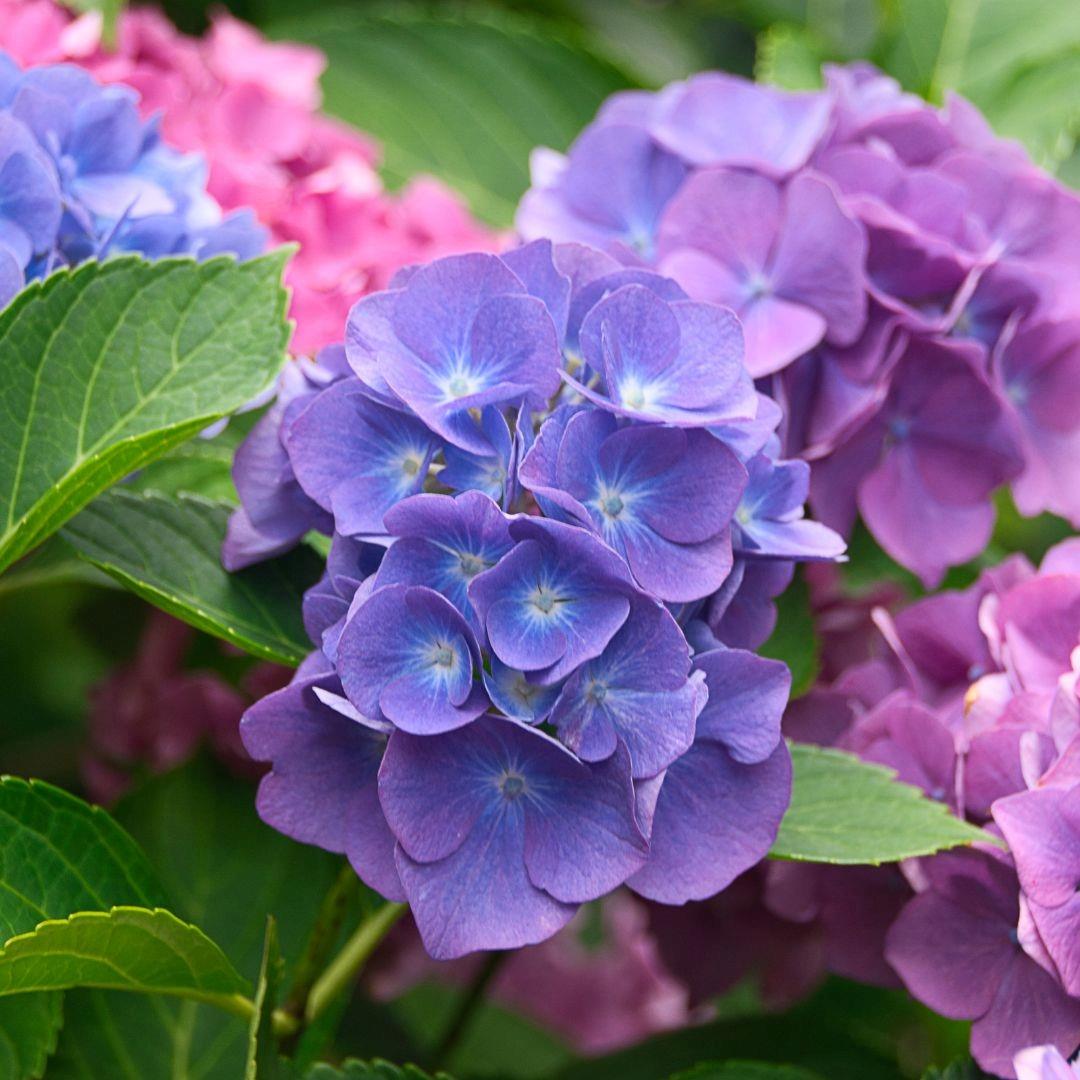
Hydrangea: Renowned for its exquisite and large blooms, the hydrangea thrives in North Carolina's temperate climate. From the classic mophead hydrangeas with their pom-pom-like clusters to the lace cap hydrangeas featuring delicate, flat-topped blooms, these shrubs offer an array of colors, including shades of pink, blue, and purple. Enduring throughout the growing season, hydrangeas create a stunning visual impact in gardens and landscapes.
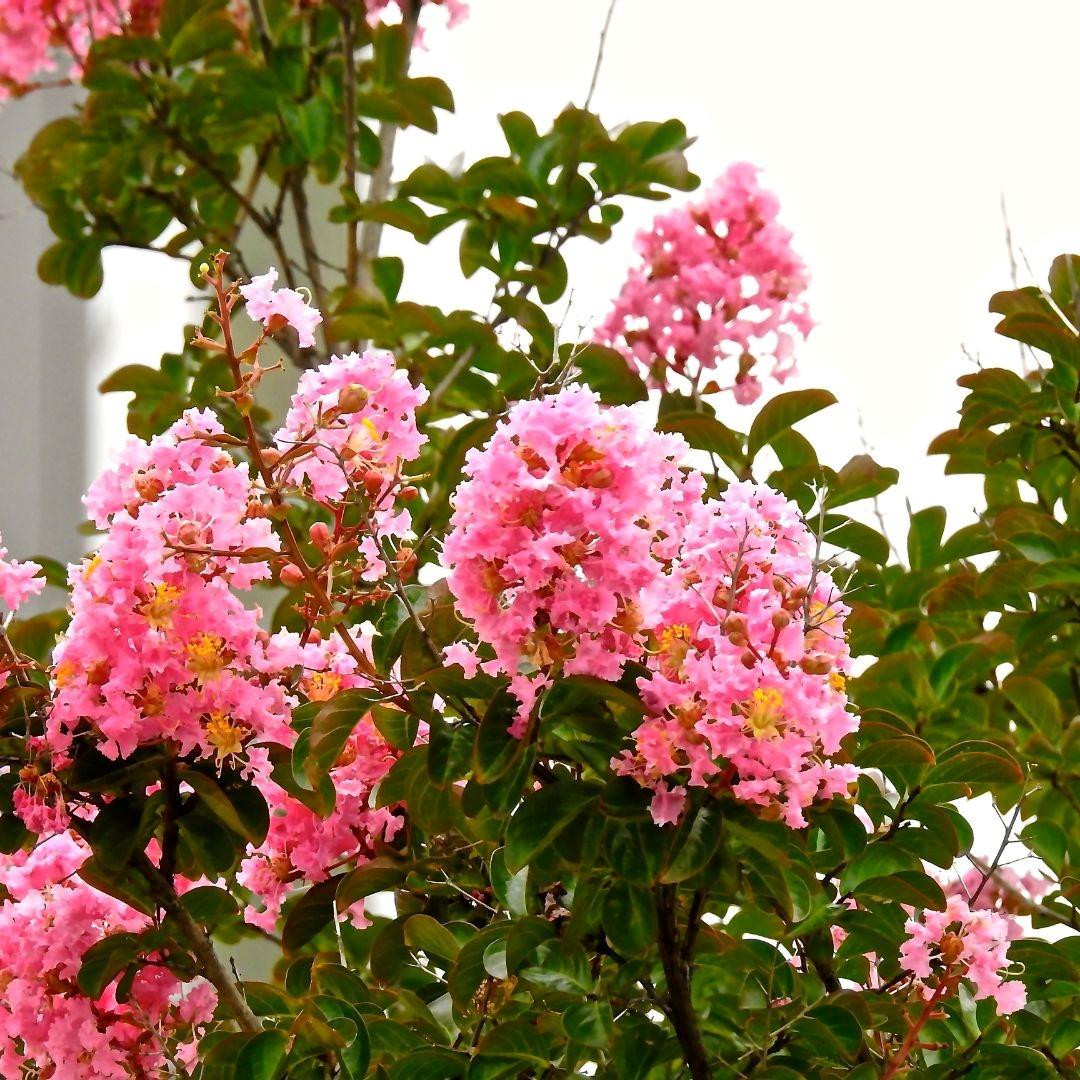
Crape Myrtle (Lagerstroemia): A Southern favorite, the crape myrtle graces North Carolina with its spectacular summer blooms. With clusters of vibrant flowers ranging from white and pink to red and purple, these deciduous shrubs or small trees bring a touch of elegance to both residential and public spaces.
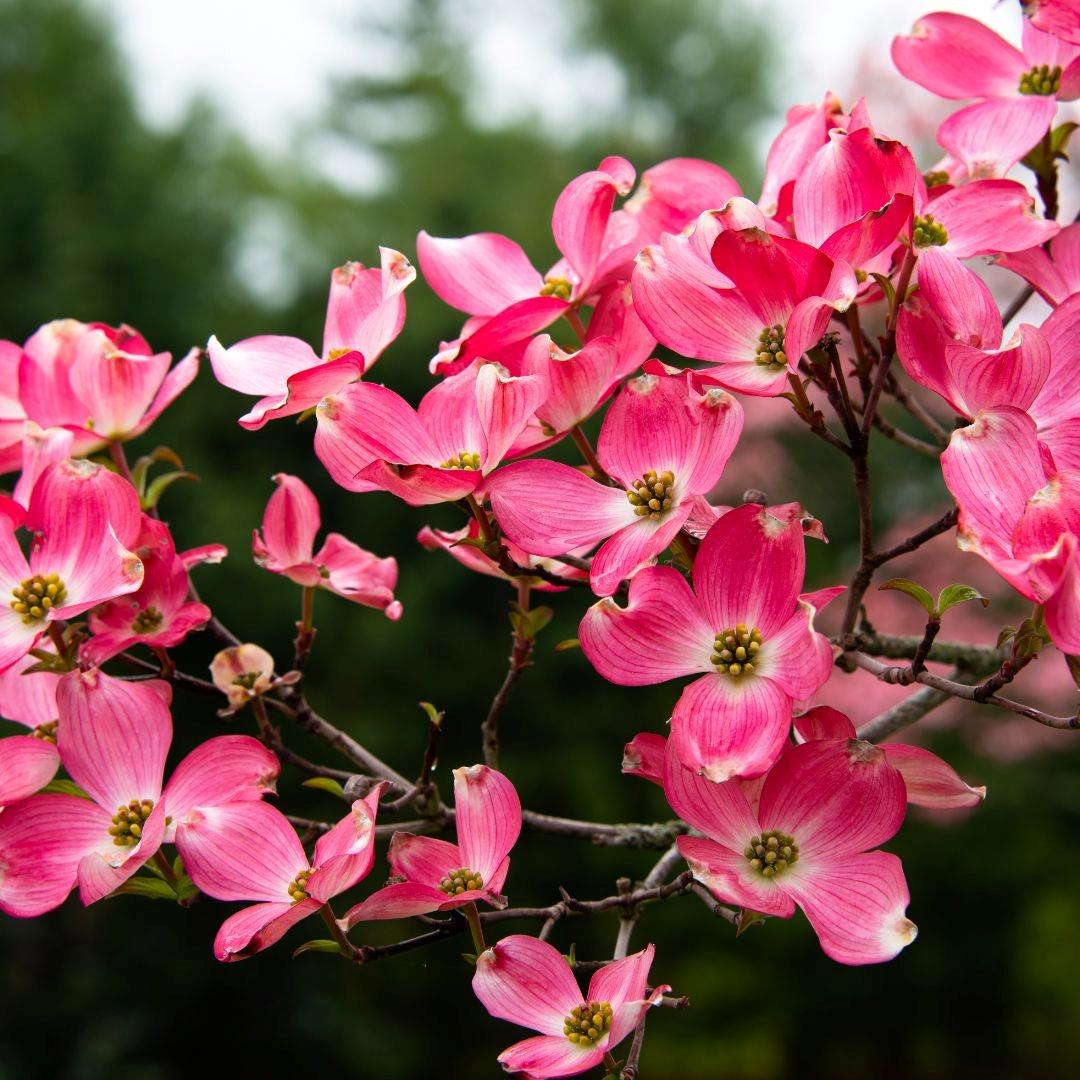
Dogwood (Cornus Florida): The flowering dogwood, North Carolina's state flower, is celebrated for its iconic four-petaled blossoms. Appearing in spring, the dogwood's delicate blooms showcase shades of white, pink, and red, adding a charming touch to the state's woodlands and landscapes.
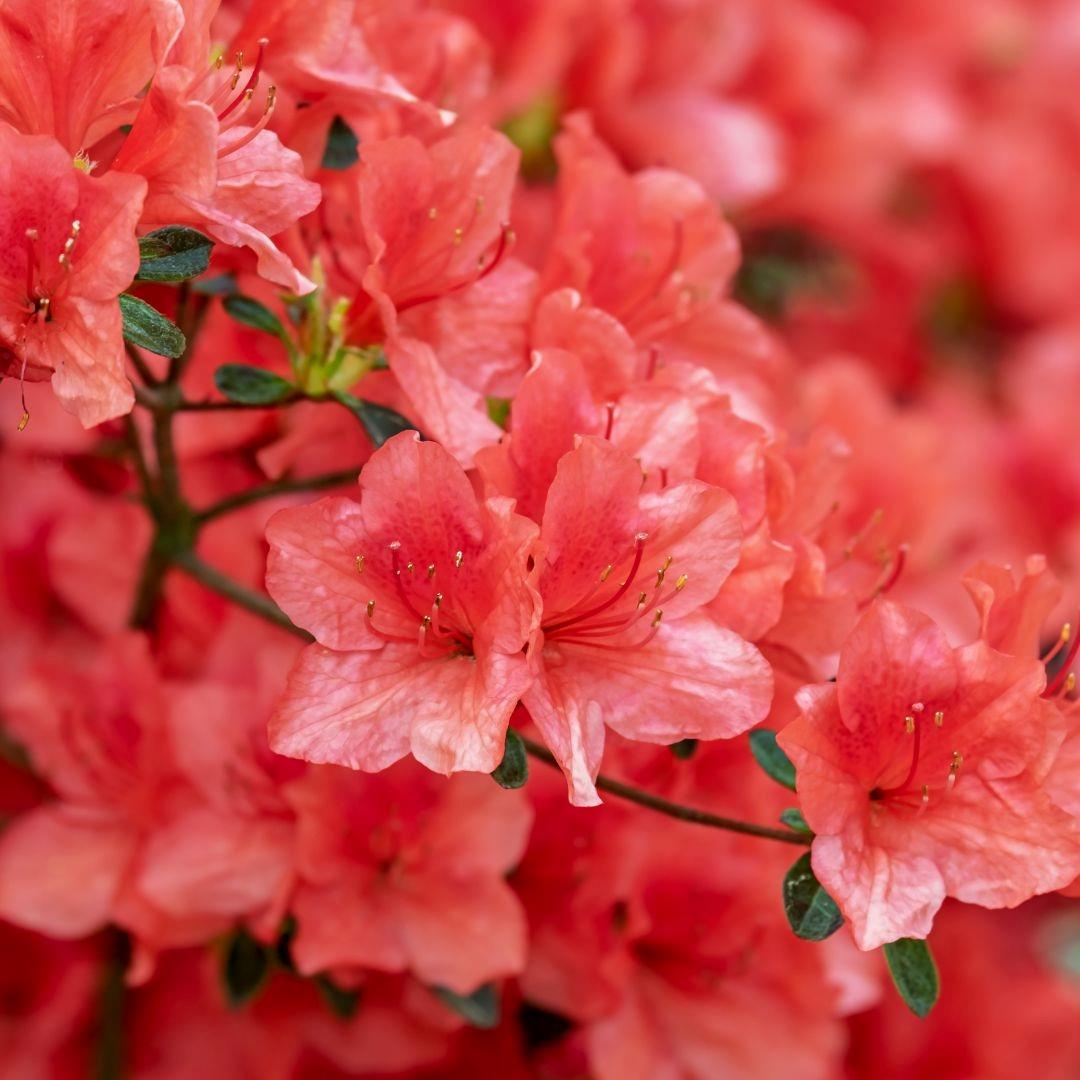
Azalea: The azalea, with its stunning, showy blooms, is a true Southern gem. Flourishing in the acidic soils of North Carolina, these shrubs erupt in a riot of colors, including whites, pinks, purples, and reds, creating a breathtaking display in gardens, parks, and along wooded trails.
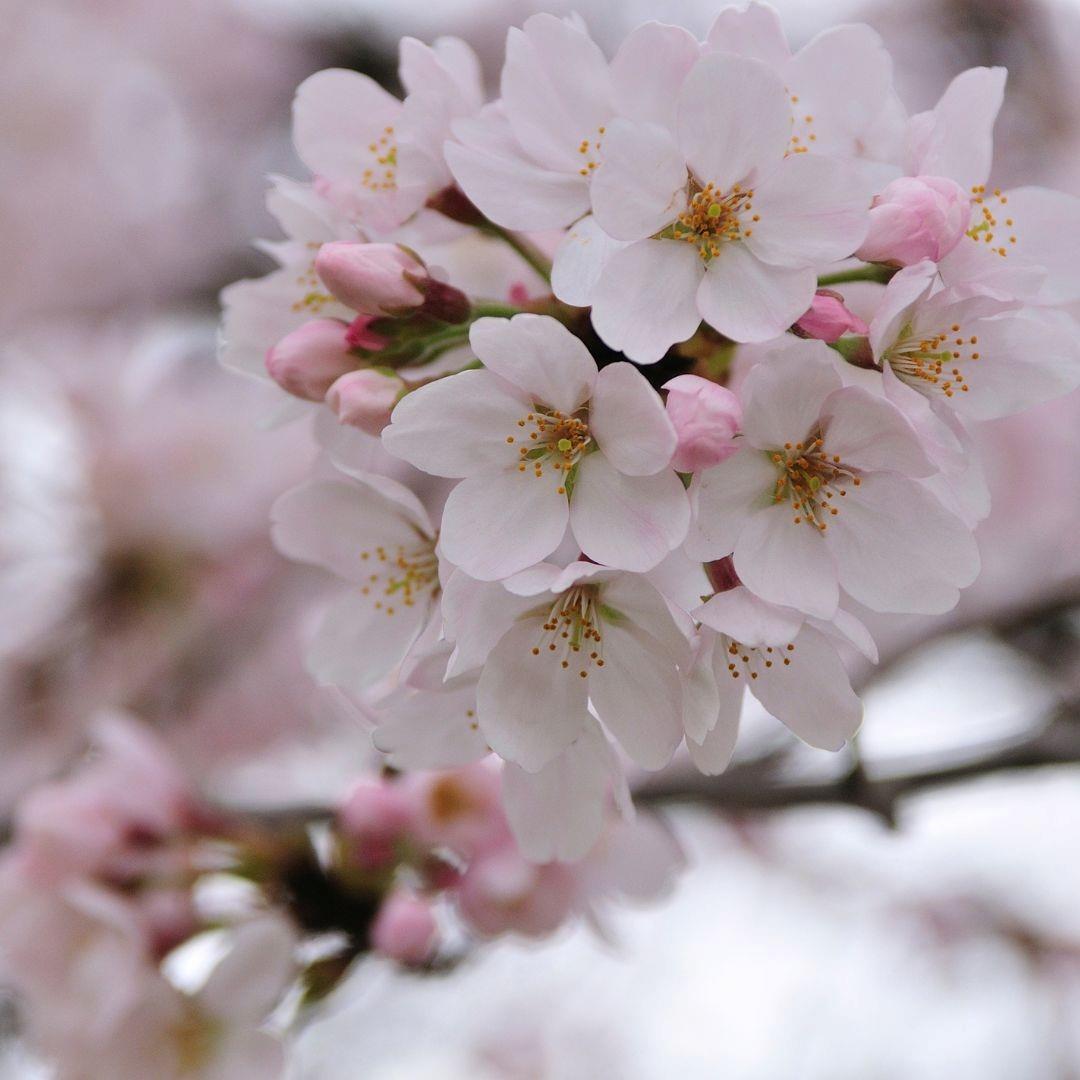
Cherry Trees: Cherry blossom trees, particularly the Yoshino cherry, paint North Carolina in delicate hues of pink and white during their springtime bloom. These ornamental trees provide a picturesque spectacle.
Why Winter Landscape Visits Matter in Central North Carolina
In the Triangle, winter isn’t a dormant season for landscapes - it’s a preparation season. With fluctuating temperatures and mild winter stretches common in Raleigh, Durham, Chapel Hill, and surrounding communities, landscapes require consistent attention to ensure strong spring growth.
Winter visits allow crews to manage emerging winter weeds, apply pre-emergent herbicides, fertilize turf, and prepare lawns for active growth. Selective winter pruning improves tree structure and plant health, while cutting back ornamental grasses and perennials maintains clean bed lines.
Routine clean-up, hardscape maintenance, and fresh mulch or pine straw applications protect soil health and moisture retention. Skipping winter maintenance often results in heavier corrective work in spring - and missed opportunities for optimal growth.
👉 Schedule Winter Maintenance Services
Serving Homeowners Across the Triangle
If you’re in Raleigh, Durham, or Chapel Hill and need expert help with landscaping, hardscaping, or outdoor construction, Myatt Landscaping and Construction is here to help.
From custom patios and retaining walls to full outdoor design-build projects, our local team has served the Triangle area for more than 25 years.
📍 Myatt Landscaping and Construction
217 Technology Park Ln, Fuquay-Varina, NC 27526
☎ (919) 577-6050
Come Visit Us!
Frequently Asked Questions
Is winter maintenance necessary in North Carolina?
Yes. Mild winters allow weeds to emerge and turf treatments to begin early, making winter visits essential for spring readiness.
What turf treatments happen in winter?
Spot weed control, pre-emergent herbicide applications, and fertilization are commonly performed during winter months.
Which plants should be pruned in winter?
Trees like crape myrtles, ornamental grasses, roses, and many perennials benefit from winter pruning, though some flowering shrubs should be pruned after bloom.
Why is mulching important in winter?
Mulch and pine straw help retain soil moisture, suppress weeds, regulate temperature, and add organic material back into planting beds.
Does winter clean-up protect hardscapes?
Yes. Removing debris prevents moisture buildup and staining on patios, walkways, and driveways.
What happens if winter maintenance is skipped?
Neglecting winter care can lead to increased weed pressure, delayed turf recovery, and more intensive corrective work in spring.